Streaming Loudness Explained: A Guide for Independent Musicians
The question of the "correct" loudness haunts almost every independent artist. In an era where streaming platforms like Spotify, Apple Music, and Tidal employ automatic normalization algorithms, the goal is no longer to produce the loudest possible track, but rather one that is dynamic and sonically stable.
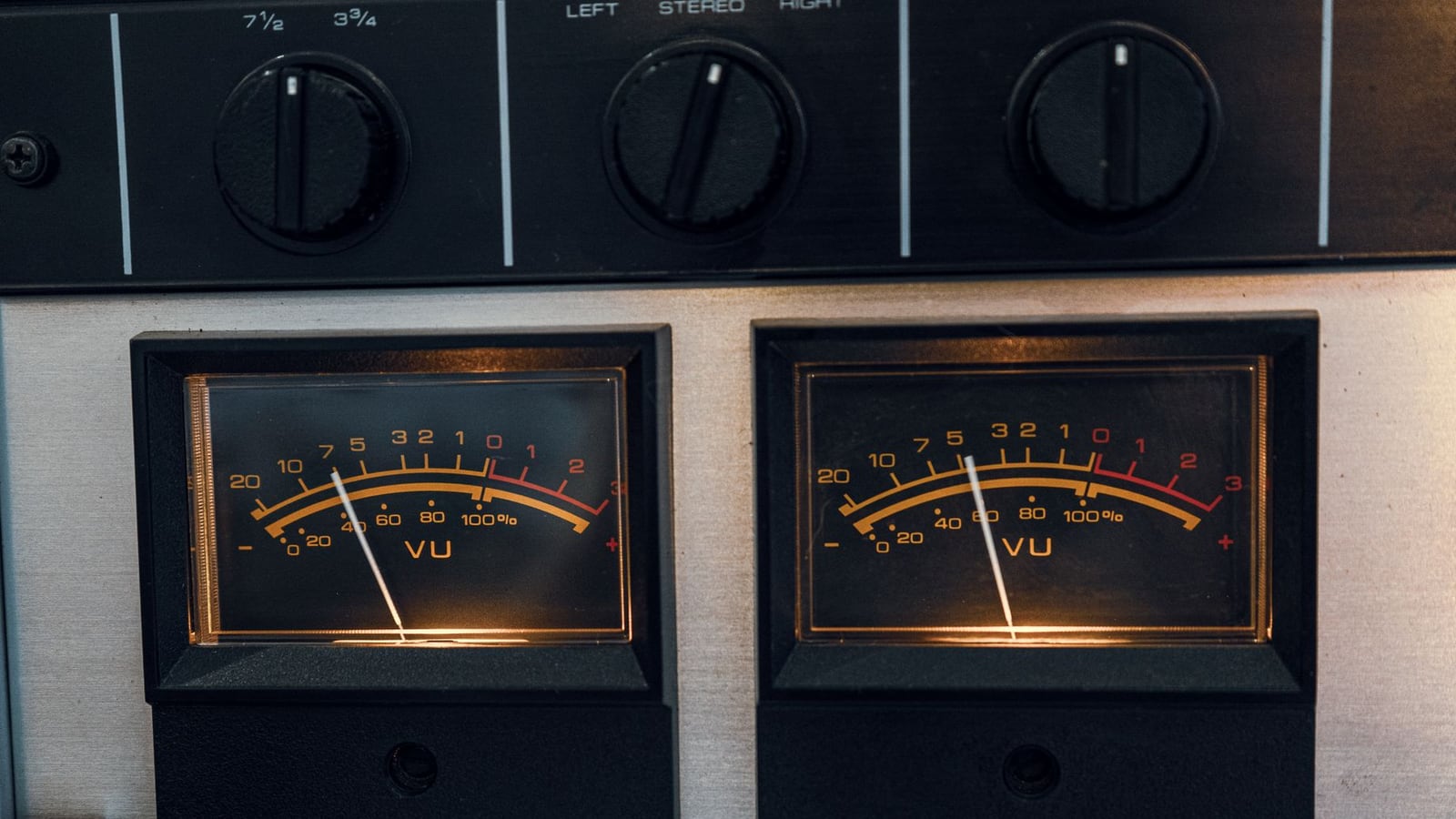
Whether you are producing music in Linz or anywhere else in Austria, you often encounter contradictory information. Some suggest pushing the limiter to the absolute edge, while others advise leaving more headroom. The truth lies in the technology of loudness normalization, which ensures that the listener does not have to manually adjust the volume of their device between every song.
What is LUFS and Why Does It Matter?
LUFS stands for "Loudness Units relative to Full Scale." Unlike traditional peak levels, which only measure the absolute highest point of a waveform, LUFS describes the perceived average loudness over a specific period. This approach aligns much more closely with how the human ear actually perceives sound.
Streaming services use this value to bring all songs to a consistent level. If your track is significantly louder than the platform's target value, the algorithm simply turns it down. The problem arises when you over-limit: you lose the dynamics—the difference between quiet and loud passages—but the song is still lowered in volume. The result is a flat, lifeless sound that lacks impact.
Standards of the Major Platforms
Although each platform uses its own proprietary algorithms, certain benchmarks have become industry standards. Most services aim for a range between -14 LUFS and -11 LUFS. Apple Music and Spotify are particularly precise in their implementation of these standards.
A critical point is the "True Peak." This describes the actual peak of the signal after digital-to-analog conversion. To avoid distortion during the compression into MP3 or AAC formats, the True Peak should never reach 0 dBFS; ideally, it should sit at -1.0 dBTP.
| Platform | Target Loudness (approx.) | Recommended True Peak |
|---|---|---|
| Spotify | -14 LUFS | -1.0 dBTP |
| Apple Music | -16 LUFS | -1.0 dBTP |
| YouTube | -14 LUFS | -1.0 dBTP |
| Tidal | -14 LUFS | -1.0 dBTP |
The Risks of the "Loudness War"
For decades, producers tried to make their tracks louder than their competitors. In the digital streaming era, this approach is counterproductive. A track mastered at -8 LUFS will be aggressively attenuated by Spotify. In contrast, a track mastered at -14 LUFS with natural dynamics remains untouched.
The sonic advantage lies in the transients—the short, percussive hits of drums and vocals. When these are "squashed" by excessive limiting, the song loses its punch and energy, regardless of how loud it is played at the end. Preserving these peaks is the key to a professional, modern sound.
Local Perspective: Mastering in Upper Austria
Within the music scene of Linz, we often see home recordings that sound technically clean but lose their character upon upload. This is usually due to a misinterpretation of loudness. Many local artists attempt to reach the "industry standard" using software presets without actually measuring the LUFS values.
Professional mastering in an acoustically optimized environment, as we practice in our control room in Linz, ensures that the balance between pressure and dynamics is maintained. We verify every master against the specific requirements of the target platforms to ensure the translation is accurate from the studio to the listener's headphones.
Export Checklist for Your Track
Before sending your track to a distributor, verify the following points:
- Is the Integrated Loudness value close to the platform's target?
- Is the True Peak at maximum -1.0 dBTP to avoid inter-sample peaks?
- Does the track still sound powerful even at lower playback volumes?
- Has the dynamics been preserved, or does the mix feel "pressed"?
- Are the export settings (24-bit, 44.1kHz or higher) correctly set?
How We Can Help You
Technical optimization for different delivery methods is complex. In addition to standard mastering, we offer specialized Platform Optimization. We create precise versions of your track tailored exactly to the requirements of streaming services or even vinyl pressings.
If you are unsure whether your stems are already optimally prepared, read our guide on How to Prepare Stems to create a solid foundation for the mastering process.
Conclusion
Loudness is not an end in itself, but a tool. The goal should always be high sound quality and emotional impact of your song. Trust the dynamics of your music rather than the maximum value on your meter.
Do you have questions about your current levels or need professional mastering for your next release in Linz? We are happy to provide a personal consultation.